
What Is Internal Medicine?
Internal medicine is a medical specialty that deals with the diagnosis, treatment and
prevention of diseases and conditions that affect the internal organs finance.burlingame. These include
heart disease, diabetes, cancer and other common health problems.
Whether you’re in the market for a new doctor, or just looking for a new way to care
for your family’s health, it’s important to understand what internal medicine entails.
There are many benefits to visiting an internist, including a personalized approach to
care, advanced technology and a better understanding of the root cause of diseases.
The path to becoming a doctor starts with years of study and extensive training,
including a residency program. During this time, doctors specialize in a specific area
of medicine, known as subspecialty, to become experts in their field and provide
patients with the best care possible.
After earning their bachelor’s degree, internists typically go to medical school for
four years, then enter a residency program, which may last up to three years,
depending on the specialty they wish to practice in. During their training, internists
learn about the latest medical practices and techniques for treating a variety of
different medical problems.
They also spend a lot of time in hospitals learning how to treat patients with
complex medical issues and performing complex diagnostic tests. After completing
their residency, internists become licensed to practice medicine and start working
with patients on a full-time basis.
Their responsibilities range from diagnosing and treating illnesses and diseases to
prescribing medications, offering guidance on lifestyle habits, providing preventive
care and coordinating care with other specialists. They also work closely with other
doctors on the Mayo Clinic team to help you manage your healthcare.
Internists are also involved in education, either at the university level or by
participating in teaching clinics. They are often educators in their own specialties,
such as nephrology or pulmonology.


When you see an internal medicine physician, he or she will use the most current
medical technology to diagnose your illness and recommend the most effective
treatments available. They also use a patient-centered, compassionate approach to
care.
A good internal medicine physician will treat you like a friend and provide the best
healthcare possible, both in terms of medical services and in the development of a
personal doctor-patient relationship. If you are interested in partnering with a good
internist, contact Herrera Medical Group to set up your first appointment today!
The future of general internal medicine
Increasingly, general internal medicine physicians will need to be competent in a
wide range of skills that support the delivery of primary medical care and disease
management. These skills will increasingly focus on evidence-based practice and will
be rooted in systems thinking.
They will need to be able to interpret and apply the latest research in a timely
fashion. They will also need to be able to communicate effectively and teach others
about the science of their practice.
Internal medicine is a diverse and exciting field of practice that requires broad
training in diagnostics, treatments, health promotion and disease prevention for
adult patients with a wide variety of illnesses. This makes it an attractive career
choice for students who want to develop a varied and interesting career that covers
a wide range of clinical challenges and experiences.







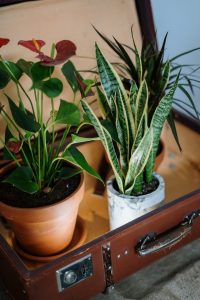 bulbs. If you plant the wrong bulbs at the wrong time, all you will have is an empty garden. Among the bulbs that bloom in spring are well-known species, such as tulips. Plant them in autumn, so that you can enjoy their beautiful flowers in spring, when they will bloom at the same time as the famous tulip fields in the Netherlands. Summer bulbs are planted when the spring ones bloom. As the name suggests, summer bulbs brighten up your summer garden. Spring bulbs look almost identical to summer ones.
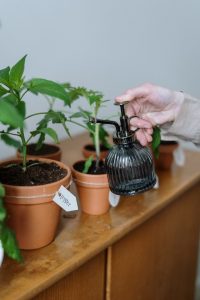 spring to plant flowers such as Amaryllis or Lilium. The perfect time for planting is when the temperature drops below 10 ° C. Then it’s time to plant your garden to your heart’s content. All flower bulbs need are a few weeks below 8 ° C, although the duration varies depending on the type and size of the bulb. The colder it gets and the longer the cold lasts, the better they will eventually bloom. Make sure the bulbs are in the ground before the first frost, otherwise they may freeze. In the event of frosts below -10 ° C, we recommend covering the ground where the bulbs are planted. Snow does not hurt flower bulbs.
 Garden plants fall into one of three categories, depending on their natural life cycle: annuals, biennials or perennials. Each plant also has a Latin botanical name, often in parentheses or italics, which distinguishes it from all the others. Let’s know what prevents surprises.
 Good grain locations give new plants other advantages. Places with easy access to water simplify maintenance. Most flowering and fruiting plants, including vegetables, thrive in sunny locations. These places receive at least six to eight hours of direct sunlight each day. Plants that prefer the sun can tolerate shady places, but they will have, poor growth and a few flowers or fruits.